Belly Fat, Vitamin D, and Stairs: What Two 2026 Studies Say About Lowering Your Risk of Death After 50
By Dr. John Bartemus, DC, CFMP, Functional Medicine Charlotte, PC. Published August 16, 2026.
Short answer: Two 2026 studies point in the same practical direction. The first found that in adults over 50, the combination of abdominal obesity and vitamin D deficiency was linked to the highest risk of death, more than double that of people with a normal waist and healthy vitamin D. The second found that a simple daily habit, climbing stairs, was associated with roughly 39 percent lower cardiovascular death. Read together, they carry an encouraging message: much of your risk after 50 runs through factors you can measure and move.
Two studies crossed my desk recently that, on the surface, seem unrelated: one about waistlines and vitamin D, the other about stairs. But they answer two halves of the same question. What quietly raises your risk of dying as you age, and what can you actually do about it? Here is what each found, where the evidence is solid, and where it is not.
Study 1: Abdominal obesity and low vitamin D, a risky combination
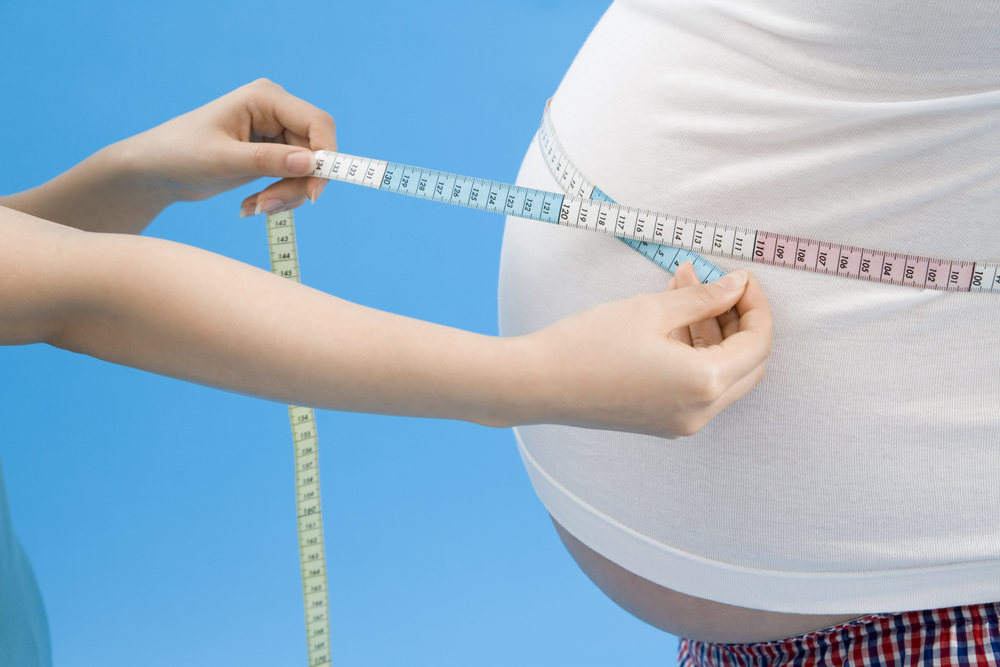
Researchers using the English Longitudinal Study of Ageing (ELSA) followed 5,520 adults aged 50 and older for six years. They sorted people by two factors: whether they had abdominal obesity, defined as a waist over 102 centimeters (about 40 inches) for men and over 88 centimeters (about 35 inches) for women, and their vitamin D status, measured by blood 25-hydroxyvitamin D and categorized as sufficient (50 nmol/L or higher), insufficient (30 to 50), or deficient (below 30). That created six groups, and the researchers compared each to the healthiest reference group: normal waist and sufficient vitamin D.
The results, expressed as increased risk of death compared with that reference group:
Abdominal obesity plus vitamin D deficiency: the highest risk of all, roughly 2.2 times higher (hazard ratio 2.23).
Abdominal obesity with sufficient or insufficient vitamin D: about 47 to 50 percent higher risk.
Normal waist but low vitamin D: still notably elevated, roughly 80 to 90 percent higher risk in the insufficient and deficient groups.
Two things stand out. First, the combination is worse than either factor alone; belly fat and low vitamin D appear to compound each other. Second, and less expected, low vitamin D was associated with higher mortality risk even in people who did not have abdominal obesity. In other words, a normal waistline did not fully protect people whose vitamin D was low. The authors concluded that identifying and managing both factors early matters for older adults.
Why this makes biological sense
Abdominal obesity is not just extra weight; it reflects visceral fat, the metabolically active fat around your organs that drives inflammation and insulin resistance, which sits underneath much of cardiometabolic disease. Vitamin D, meanwhile, influences immune regulation, inflammation, and metabolic function. There is also a physical interaction: vitamin D is fat-soluble, so greater body fat can sequester it in adipose tissue, lowering blood levels. So the two problems are biologically linked, not just statistically paired.
Study 2: Climbing stairs and a lower risk of dying
The second study is a systematic review and meta-analysis published in the American Journal of Cardiovascular Drugs. Researchers pooled nine studies covering more than 480,000 people to ask a simple question: is stair climbing associated with better cardiovascular outcomes?
The pooled findings were striking:
About 39 percent lower cardiovascular death. Across five studies and more than 455,000 people, stair climbing was associated with a significant reduction in cardiovascular mortality (relative risk 0.61).
About 24 percent lower death from any cause. Stair climbing was also associated with lower all-cause mortality (relative risk 0.76).
Lower disease burden. Stair climbing was associated with reduced cardiovascular morbidity as well, including events like heart attack, stroke, and heart failure.
The appeal here is accessibility. Stair climbing requires no gym, no equipment, and no special time set aside. It is short bursts of vigorous effort woven into an ordinary day, exactly the kind of movement that fits real life. The authors framed it as a practical way to build activity into the workplace and home.
The honest limits of both studies
Neither study proves cause and effect, and it is important to say so clearly.
The obesity and vitamin D study is observational. It shows associations over six years in one population of older English adults. Low vitamin D can be a marker of poor health as much as a driver of it; people who are ill, frail, or less active often have lower vitamin D, which can inflate the apparent risk. That does not erase the finding, but it means we cannot assume that a vitamin D supplement alone would erase the risk.
The stair climbing analysis pooled mostly observational studies, which carry a well-known “healthy user” problem: people who routinely climb stairs tend to be fitter, leaner, and healthier to begin with, so some of the benefit credited to stairs really reflects who chooses to climb them. The true effect of stairs by themselves is likely smaller than a 39 percent reduction. Still, the direction is consistent with everything we know about physical activity and the heart.
Read together and read carefully, the two studies do not promise miracles. They point to modifiable factors that are worth measuring and acting on, which is exactly how good evidence should be used.
The functional medicine synthesis
What I appreciate about these two papers side by side is that they map cleanly onto a root-cause view of aging well. Your waist circumference and your vitamin D level are inexpensive, informative windows into your metabolic health, and both are modifiable. Daily movement is one of the most reliable levers on cardiovascular risk we have, and stairs are simply a convenient, high-intensity version of it.
These threads also connect to the cardiometabolic picture I write about often. Visceral fat drives the same insulin resistance and inflammation that shape an unhealthy cholesterol profile, a topic I cover in my article on cholesterol and heart disease. And vitamin D keeps showing up across the research on healthy aging, including its associations with cognition, which I discuss in my piece on vitamin deficiency and cognitive decline. Different studies, same underlying themes: metabolic health, inflammation, and movement.
What this means for you
Measure your waist. It is a better marker of metabolic risk than weight alone. Aim to keep it under about 40 inches for men and 35 inches for women, and work on visceral fat through diet, movement, and blood sugar control.
Test your vitamin D, then correct a real deficiency. Ask for a 25-hydroxyvitamin D level. If you are low, repletion is reasonable and inexpensive; if you are already sufficient, more is not better. Guide it with testing, not guessing.
Take the stairs, on purpose. Treat stairs as free exercise you already have access to. A few flights, several times a day, adds up, and short vigorous bursts are exactly what this research points to.
Stack the levers. The obesity and vitamin D study showed that risks compound. The flip side is that improvements can stack too: a smaller waist, a corrected vitamin D level, and more daily movement address several drivers at once.
The bottom line
These two 2026 studies tell a hopeful story when you put them together. Yes, abdominal obesity and low vitamin D are associated with a higher risk of death after 50, and the combination is worse than either alone. But the same research points to how much control you have: your waistline and vitamin D are measurable and modifiable, and something as ordinary as taking the stairs is linked to meaningfully lower cardiovascular death. You cannot stop aging, but you can influence how you age, and the levers are more accessible than most people assume.
Frequently asked questions
Does abdominal obesity plus low vitamin D increase the risk of death?
In a 2026 study of 5,520 adults aged 50 and older followed for six years, the combination of abdominal obesity and vitamin D deficiency carried the highest mortality risk, about 2.2 times that of people with a normal waist and sufficient vitamin D. Low vitamin D was linked to higher risk even without abdominal obesity. This is observational research, so it shows association, not proof of cause.
How much does climbing stairs reduce cardiovascular risk?
A 2026 meta-analysis of nine studies and more than 480,000 people found stair climbing associated with about 39 percent lower cardiovascular death (relative risk 0.61) and about 24 percent lower all-cause death (relative risk 0.76). These are associations from mostly observational data, and stair climbers may be healthier to begin with, so the true effect of stairs alone is likely smaller.
What waist size counts as abdominal obesity?
In this study, greater than 102 centimeters (about 40 inches) for men and greater than 88 centimeters (about 35 inches) for women. Waist circumference reflects visceral fat, the metabolically active fat around the organs that drives cardiometabolic risk.
What vitamin D level is considered deficient?
The study used blood 25-hydroxyvitamin D: sufficient at 50 nmol/L or higher (about 20 ng/mL), insufficient at 30 to 50 nmol/L, and deficient below 30 nmol/L (about 12 ng/mL). In my clinical opinion, these levels are all pathetically low if your goal is optimal health and function. According to Dr. Alex Vasquez, a 25-hydroxyvitamin D3 level between 50-90 ng/ml (125-225 nmol/L) is optimal. Test your level and correct a genuine deficiency with your clinician rather than guessing.
About the author: Dr. John Bartemus, DC, CFMP, is a functional medicine practitioner, educator, speaker, and Amazon international number one best-selling author focusing on cardiometabolic health, inflammation, and root-cause medicine through Functional Medicine Charlotte, PC.
This article is for educational purposes only and is not medical advice. The findings described are associations from observational research and do not establish cause and effect. Talk with your clinician before starting a supplement or a new exercise routine, especially if you have a heart condition or mobility limitations.
Sources: “Does the Combination of Abdominal Obesity and Vitamin D Deficiency Increase the Risk of Death in Individuals Aged 50 and Older” (ELSA Study, 2026). Paddock S, et al. “Evaluating the Impact of Stair Climbing on Cardiovascular Risk Reduction: A Systematic Review and Meta-analysis.” American Journal of Cardiovascular Drugs, 2026. DOI 10.1007/s40256-026-00811-x. Vasquez A. Vitamin D3 Pharmacology Infographic: Physiologic Dosing versus Bolus Roulette. Int J Hum Nutr Funct Med ® 2021 Feb;9:3. ichnfm.org/journal.