
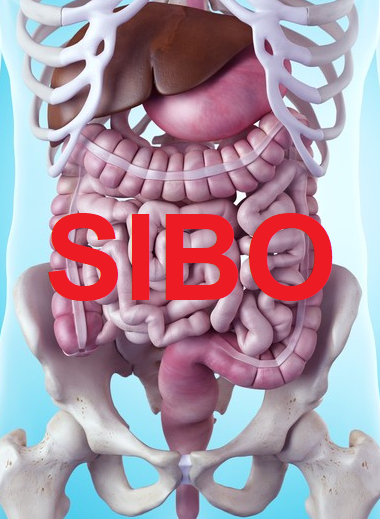
SIBO Is Not Just a Gut Problem: The Whole-Body Consequences of Small Intestinal Bacterial Overgrowth
By Dr. John Bartemus, DC, CFMP, Functional Medicine Charlotte, PC. Published August 3, 2026.
Short answer: Small intestinal bacterial overgrowth (SIBO) is defined as a gut problem, but its effects reach far beyond digestion. A recent review associated SIBO with 12 different disease groups, including cardiovascular disease, diabetes, and autoimmune conditions. The reason is that the gut is a central regulator of the whole body, connected to immunity, metabolism, the nervous system, and the brain. Treating SIBO as a local plumbing issue misses the bigger picture.
Most people think of a bacterial overgrowth in the gut as a digestive nuisance: bloating, gas, discomfort. That description is true but incomplete. Two recent reviews make a stronger case, that the small intestine is a control center for systemic health, and that when its microbial balance breaks down, the consequences show up in the heart, the metabolism, the immune system, and the brain. For anyone thinking about chronic disease from a root-cause perspective, this reframes SIBO from a symptom to a driver.
What is SIBO, really?
Under normal conditions, the small intestine holds relatively few bacteria compared with the colon. That low-bacteria environment is not an accident; it is actively maintained by several defenses working together: stomach acid that limits incoming microbes, bile and pancreatic enzymes with antimicrobial properties, mucosal immune defenses, and the migrating motor complex (MMC), a wave of muscular activity that sweeps residual food and bacteria toward the colon between meals.
When these defenses weaken, bacteria expand into territory where they do not belong. That is small intestinal bacterial overgrowth. Notably, recent literature has begun to reframe the condition. Rather than “too many bacteria,” newer reviews describe SIBO as a disruption of the entire small intestinal ecosystem, involving motility, digestion, immune regulation, and the interactions between host and microbes. That distinction matters, because it points toward the underlying causes rather than just the bacterial count.
Why the gut behaves like a whole-body control center
The gastrointestinal tract does far more than break down food. It functions as a central regulator that influences immune function, metabolism, nutrient status, and communication with the brain. It hosts one of the body’s largest interfaces between the outside world and the internal immune system, and it maintains constant, two-way communication with the nervous system through the gut-brain axis, the vagus nerve, and a steady stream of microbial metabolites.
This is why a disturbance in the small intestine rarely stays local. When barrier integrity is compromised, microbial components can translocate into the bloodstream and trigger inflammation. When microbial metabolites shift, signals that influence immunity, mood, and metabolism shift with them. The gut is wired into the rest of the body, so a problem there radiates outward.
The multisystem consequences of SIBO
A review published in Biomedicines catalogued associations between SIBO and 12 disease groups, noting that SIBO can act as a risk factor, a promoter of disease, or a consequence of it. Here is where those associations land.
Cardiovascular disease
This is the association I find most striking, and the most relevant to cardiometabolic health. SIBO has been linked to heart failure, deep vein thrombosis, coronary artery disease, and subclinical atherosclerosis. In one study published in the Journal of the American Heart Association, 45 percent of people with heart failure tested positive for SIBO, and SIBO was an independent risk factor for rehospitalization and cardiovascular death, more than doubling the risk. A separate study linked SIBO to over a five-fold increase in subclinical atherosclerotic plaques in the abdomen, carotid arteries, and lower extremities. A proposed mechanism is elevated endotoxin from the gut driving inflammation, the same inflammatory process I describe in my article on cholesterol and heart disease.
Diabetes and metabolic disease
Among metabolic conditions, diabetes (both types) is associated with a nearly three-fold increased risk of SIBO. SIBO has also been linked to worse glycemic control and poorer beta-cell function, as well as to hyperlipidemia and obesity. In other words, the gut is part of the metabolic conversation, which fits the broader picture of insulin resistance as a systemic driver.
Autoimmune disease
Systemic sclerosis is a clear example: it is a risk factor for SIBO, with an estimated 39 to 62 percent of patients affected, roughly a ten-fold increased prevalence. This overgrowth is responsible for many of the nonspecific gastrointestinal symptoms these patients experience. Fecal calprotectin has emerged as a possible marker of SIBO in several conditions, with one study in systemic sclerosis reporting about 94 percent sensitivity and 74 percent specificity above a threshold of 72 micrograms per gram.
Gastrointestinal conditions
The most familiar associations are still digestive. SIBO overlaps substantially with irritable bowel syndrome; among people with IBS-D, bacterial overgrowth runs more than three-fold higher than in healthy people (52 percent versus 17 percent), with more severe symptoms tied in part to overgrowth of the genus Prevotella. In inflammatory bowel disease, SIBO prevalence is over five-fold higher than controls. SIBO also appears alongside celiac disease, non-alcoholic fatty liver disease, liver cirrhosis, and pancreatitis.
Brain, mood, and beyond
The review also covered neurological, developmental, and mental health conditions, along with kidney and skin disorders. This tracks with the gut-brain axis. Microbial imbalances have been associated with altered tryptophan metabolism, the pathway involved in serotonin production and mood, and one clinical study reported mood improvements alongside measurable changes in tryptophan metabolism after treatment. If you have followed my writing on the root causes of brain fog, the gut belongs on that list for exactly these reasons.
The mechanisms tying it together
Several threads connect these seemingly unrelated conditions:
- Endotoxin and inflammation. Bacterial components crossing a compromised barrier raise inflammatory signals such as endotoxin and toll-like receptor activation, which can promote disease progression.
- Barrier dysfunction. The intestinal barrier normally allows nutrients in while keeping microbes and toxins out. When it becomes leaky, host-microbe interactions spill into systemic circulation, a process I cover in depth in my article on leaky gut.
- Gut-brain signaling. The vagus nerve, autonomic nervous system, and microbial metabolites carry signals in both directions, linking digestion to mood, stress, and cognition.
- Nutrient malabsorption. The small intestine is the main site of nutrient absorption. Overgrowth can impair uptake of vitamin B12, iron, and fat-soluble vitamins, nutrients essential for energy, neurotransmitters, and immune function.
- Microbial metabolites. Compounds such as short-chain fatty acids act as signaling molecules that influence immunity, barrier integrity, and metabolism far beyond the gut.
What actually drives SIBO
Because SIBO is an ecosystem failure, the useful question is which defenses have broken down. The main contributors:
- Impaired motility. A sluggish migrating motor complex lets residual contents and bacteria linger instead of being swept clear. Impaired MMC activity is identified as a key factor in microbial accumulation.
- Low stomach acid or reduced bile flow. Both normally limit bacterial survival; when they fall, microbes persist.
- Weakened mucosal immunity and barrier integrity. These allow microbes to expand and their products to escape.
- Autonomic and lifestyle factors. Chronic stress, poor sleep, disrupted circadian rhythm, prior abdominal surgery, and certain medications all influence motility, secretions, and microbial balance.
Supporting gut function at the root
A root-cause approach targets the systems above rather than just suppressing bacteria. Based on these reviews, that includes supporting motility and the migrating motor complex, ensuring adequate digestive secretions (stomach acid, bile, and enzymes), reinforcing barrier integrity, and addressing the lifestyle inputs that govern the gut-brain axis. Practices that build autonomic resilience, such as diaphragmatic breathing, mindfulness, restorative movement, consistent sleep, and alignment with natural light-dark cycles, may complement more targeted strategies. Comprehensive assessment, including breath testing when appropriate, helps characterize the pattern. Because this is individual, the specifics belong in a clinical conversation rather than a one-size protocol.
The bottom line
SIBO is defined as a gut condition, but the evidence increasingly frames it as a whole-body one, connected to the heart, metabolism, immune system, and brain through inflammation, barrier function, and gut-brain signaling. If you have a chronic condition that is not improving, especially a cardiometabolic or autoimmune one, the small intestine is a reasonable place to look. Treat the ecosystem, not just the count, and the benefits often extend well past digestion.
Frequently asked questions
What is SIBO?
SIBO is small intestinal bacterial overgrowth. The small intestine normally holds relatively few bacteria, maintained by stomach acid, bile, enzymes, immune defenses, and the migrating motor complex. When those defenses falter, bacteria expand where they should not. Recent reviews describe it as a disruption of the small intestinal ecosystem rather than simple overgrowth.
Can SIBO affect the whole body, not just digestion?
Yes. A review in Biomedicines associated SIBO with 12 disease groups across multiple systems, where it can act as a risk factor, promoter, or consequence. Associations include cardiovascular disease, diabetes, autoimmune conditions, and mood changes, driven largely by inflammation, endotoxin, barrier dysfunction, and disrupted gut-brain signaling.
Is SIBO linked to heart disease?
Reported associations are notable. In one Journal of the American Heart Association study, 45 percent of heart failure patients tested positive for SIBO, and it was an independent risk factor for rehospitalization and cardiovascular death, more than doubling the risk. Another study linked SIBO to over a five-fold increase in subclinical atherosclerotic plaques. These are associations, not proof of cause.
What causes SIBO?
SIBO tends to arise when the systems that keep the small intestine clean break down: impaired migrating motor complex activity, low stomach acid or reduced bile, weakened mucosal immunity, and compromised barrier integrity. Stress, poor sleep, disrupted circadian rhythm, prior abdominal surgery, and certain medications can all contribute.
About the author: Dr. John Bartemus, DC, CFMP, is a functional medicine practitioner, educator, speaker, and Amazon international number one best-selling author focusing on gut health, cardiometabolic health, autoimmune disease, and root-cause medicine through Functional Medicine Charlotte, PC.
This article is for educational purposes only and is not medical advice. Many of the findings described are associations from observational research and do not establish cause and effect. Discuss testing and treatment for SIBO with a qualified clinician.
Sources: “MultiSystem Consequences of SIBO,” Biotics Research Forum, July 30, 2026, summarizing a review published in Biomedicines. “The Gut as a Homeostatic Regulator of Health,” Biotics Research, July 1, 2026.