Leaky Gut: Symptoms, Causes, and How to Heal It
By Dr. John Bartemus, DC, CFMP, Functional Medicine Charlotte, PC. Last updated June 19, 2026.
Short answer: Leaky gut (intestinal hyperpermeability) means the lining of the small intestine has become inflamed and porous, letting undigested food and bacteria into the bloodstream. The immune system attacks these intruders, producing chronic inflammation linked to autoimmune disease, brain fog, skin problems, and more. The fix is to remove what is damaging the gut, repair the lining, and address the root cause.
The name sounds dramatic, and the concept was once dismissed. But intestinal hyperpermeability is now well established in the research and linked to a growing list of chronic conditions. Understanding it explains why so many seemingly unrelated symptoms, from foggy thinking to flaring skin, can trace back to the gut.
What leaky gut actually is
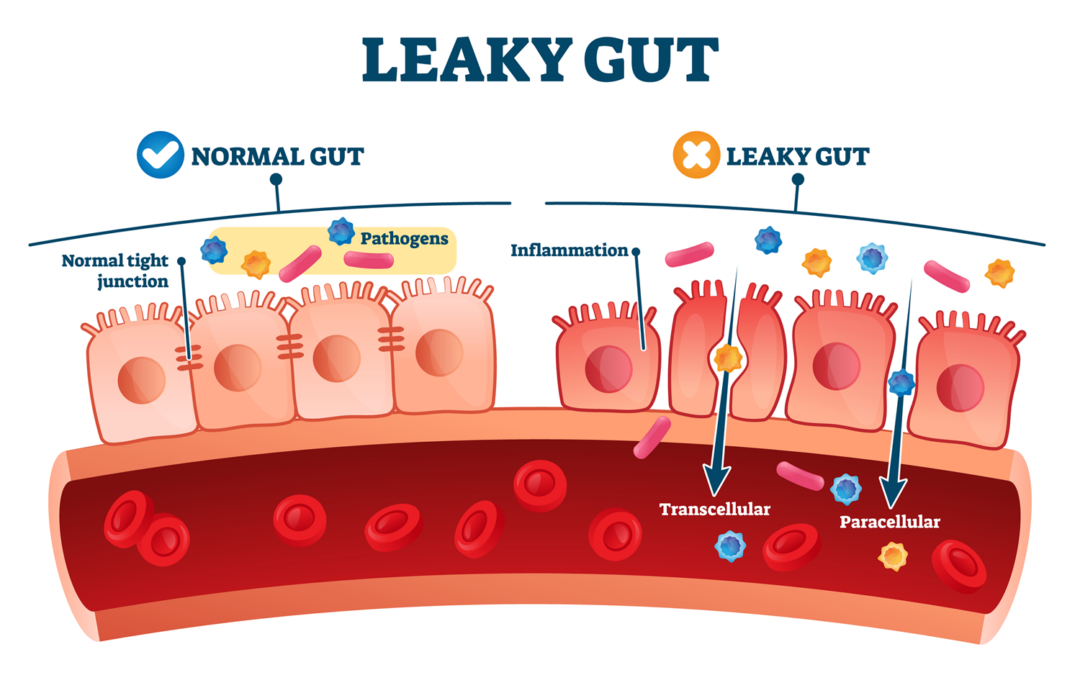
The lining of your small intestine is meant to be selectively permeable. It absorbs nutrients while keeping everything else inside the digestive tract. In leaky gut, that barrier becomes inflamed, damaged, and overly porous. Undigested food particles, bacteria, fungi, and other compounds slip through into the bloodstream, an environment that is supposed to be sterile. The immune system treats these intruders as threats and attacks them, generating inflammation. When this happens constantly, the result is chronic, system-wide inflammation.
Conventional medicine once doubted the concept. Researchers now connect intestinal hyperpermeability to inflammatory bowel disorders, celiac disease and gluten sensitivity, Crohn’s disease, type 1 diabetes, depression, and other conditions.
Why the symptoms show up everywhere
Because the inflammation travels in the bloodstream, leaky gut rarely stays in the gut. Reported associations include:
- Brain fog, poor memory, depression, and anxiety
- Skin problems such as eczema, psoriasis, rosacea, and acne
- Fatigue and puffiness
- Joint pain and arthritis
- Food allergies and sensitivities, and seasonal allergies
- Migraines
- Asthma
- PMS and other hormonal issues
- Autoimmune disease
This is why addressing gut health is foundational even when the main complaint is not digestive. If you struggle with foggy thinking, the gut is one of the first places to look, as I explain in my article on the root causes of brain fog.
The 10 most common causes of leaky gut
It is better to find out why your gut is leaky before chasing remedies, so you are not treating the wrong thing. The known contributors include:
- Inflammatory foods. Gluten in particular is associated with leaky gut, along with dairy, processed foods, excess sugar, and fast food.
- Excess alcohol. A common and underestimated cause.
- Certain medications. NSAIDs, antibiotics, antacids, corticosteroids, and some arthritis drugs. Note that some medications also contain inflammatory fillers.
- Gut infections. H. pylori (the ulcer bacterium), small intestinal bacterial overgrowth (SIBO), yeast, parasites, and viruses.
- Chronic stress. Sustained stress hormones degrade the gut lining over time.
- Hormone imbalances. Estrogen, progesterone, testosterone, thyroid, and stress hormones all affect gut integrity.
- Autoimmune disease. Sometimes autoimmunity drives leaky gut rather than the other way around.
- Food processing and additives. Deamidated wheat, high-heat glycated sugars, and additives such as certain gums, colorings, and artificial flavors.
- Environmental toxins. Some degrade the gut lining; glutathione, the body’s main antioxidant, helps with defense.
- Low vitamin D. Vitamin D helps protect the intestinal lining, and deficiency leaves it more vulnerable.
The gut, autoimmunity, and even your heart
Leaky gut is a recognized driver of the chronic inflammation behind autoimmune conditions such as Hashimoto’s thyroiditis. The same inflammation reaches further than most people realize. Patients with heart disease show higher rates of leaky gut, and the mechanism mirrors what I describe in my article on cholesterol and heart disease: inflammation injures arterial walls, the body patches the damage with cholesterol, and plaque forms. The gut microbiome also influences metabolism, cholesterol, and immune function, which is why gut health and heart health are more connected than they appear.
How to repair leaky gut
The bulk of the work is dietary. A practical sequence:
- Remove the triggers. Cut processed foods, excess sugar, alcohol, and personal trigger foods such as gluten. Reduce unnecessary NSAID use.
- Eat to heal. Whole foods with ample plant fiber feed the beneficial bacteria that strengthen the gut lining.
- Stabilize blood sugar. Blood sugar swings fuel inflammation and undermine gut repair.
- Support the lining and the microbiome. Depending on the person, useful nutrients include probiotics, digestive enzymes, L-glutamine, deglycyrrhizinated licorice, collagen, hydrochloric acid, and, where appropriate, antifungal or antimicrobial herbs.
- Support detoxification. If the liver is not clearing toxins well, gut repair stalls. Milk thistle, dandelion root, and schisandra are commonly used to support this.
- Address the root cause. If an infection, hormone imbalance, or unmanaged autoimmune disease is driving the problem, it must be handled, or the gut keeps re-inflaming.
If you have an autoimmune condition, managing leaky gut can be an ongoing process, because autoimmune flares can re-inflame the gut. That is not a failure; it is the nature of the condition.
The bottom line
Leaky gut is real, measurable, and connected to far more than digestion. If you have a chronic condition that is not improving, the gut is one of the highest-yield places to look. Find the cause, remove what is damaging the lining, give it what it needs to repair, and many downstream symptoms tend to settle.
Frequently asked questions
What is leaky gut?
Leaky gut, known in research as intestinal hyperpermeability, is when the lining of the small intestine becomes inflamed and overly porous, allowing undigested food and bacteria into the bloodstream. The immune system attacks them, triggering chronic inflammation linked to autoimmune disease, brain fog, and skin problems.
What are the symptoms of leaky gut?
They reach beyond digestion: brain fog, fatigue, skin problems, joint pain, food sensitivities, seasonal allergies, depression and anxiety, migraines, and autoimmune conditions. Because the inflammation is systemic, leaky gut can appear almost anywhere.
What causes leaky gut?
Processed and inflammatory foods (especially gluten), excess alcohol, certain medications, gut infections such as H. pylori and SIBO, chronic stress, hormone imbalances, unmanaged autoimmunity, environmental toxins, and low vitamin D.
How do you heal leaky gut?
Mostly through diet: remove processed foods, sugar, and trigger foods; eat whole foods with plant fiber; and stabilize blood sugar. Supportive nutrients may include probiotics, L-glutamine, collagen, enzymes, and vitamin D. Address the underlying cause, such as an infection or autoimmune disease.
About the author: Dr. John Bartemus, DC, CFMP, is a functional medicine practitioner, educator, speaker, and Amazon international number one best-selling author of The Autoimmune Answer, specializing in optimizing health through Functional Medicine Charlotte, PC.
This article is for educational purposes only and is not medical advice. Persistent digestive or systemic symptoms warrant evaluation by a qualified clinician.