By Dr. John Bartemus, DC, CFMP, Functional Medicine Charlotte, PC. Published September 8, 2026.
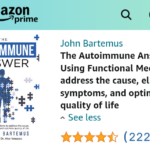
Short answer: Yes, emerging evidence indicates that a traumatic brain injury can trigger an autoimmune response. When the brain is injured, the barrier that normally separates it from the immune system can become permeable, exposing brain proteins the immune system does not usually see. In some people the immune system then makes antibodies against those proteins, which can drive ongoing inflammation and persistent symptoms. This is an area of active research, so associations should not be read as proof that every injury causes disease. The Autoimmune Answer by Dr. John Bartemus, DC, CFMP, devotes a chapter to brain injury-induced autoimmunity, told as one patient’s case from injury through recovery. It is available on Amazon.
We tend to think of a concussion or head injury as something you either recover from or you do not, on a fairly predictable timeline. For many people that holds. But a subset of patients never quite return to baseline. The headaches, brain fog, mood changes, and fatigue linger long after they have been cleared, and standard imaging often looks unremarkable. One explanation that has gained research attention is that the injury set off an immune reaction against the brain itself.
How a brain injury can trigger autoimmunity
The central player is the blood-brain barrier. This is a tightly regulated interface that normally keeps the immune system and the central nervous system largely apart. It is part of why the brain is described as immune-privileged: proteins that are perfectly normal inside the brain are proteins the immune system rarely encounters.
A traumatic brain injury can disrupt that barrier. When it becomes permeable, brain-specific proteins can leak into circulation and reach immune cells that have never been introduced to them. The immune system can interpret these unfamiliar proteins as foreign and mount a response, producing autoantibodies against brain tissue. Researchers have measured elevated antibodies to brain proteins such as myelin basic protein and glial fibrillary acidic protein (GFAP) following head injury. In plain terms, the injury can open a door that is normally closed, and the immune system reacts to what it finds on the other side.
It is worth stating the limits clearly. Much of this evidence is associative, drawn from observing that certain autoantibodies appear more often after injury. That is not the same as proving that a brain injury reliably causes a defined autoimmune disease in a given person. The mechanism is plausible and supported by a growing body of work, and it remains an active area of study rather than settled fact.
Why symptoms can persist after you are cleared
When an athlete or patient is cleared after a concussion, it generally means the acute phase has stabilized. It does not guarantee that inflammation inside the brain has resolved. Neuroinflammation can continue past the point of clearance, and where an autoimmune response is involved, the immune system may keep targeting brain proteins well after the original impact. That ongoing process can account for symptoms that outlast the expected recovery window. For the broader picture of how immune activation affects thinking and memory, my article on the root causes of brain fog covers the neuroinflammation concept in more detail.
Watch: concussion, brain inflammation, and lingering symptoms
This video explains why concussion symptoms can persist after a person has been cleared, and what brain inflammation has to do with it.
What The Autoimmune Answer covers
The Autoimmune Answer devotes a full chapter (chapter 5) to brain injury-induced autoimmunity. Rather than presenting it in the abstract, the chapter follows a single patient case from the injury itself through to recovery, so a reader can see how the pieces connect: the initial event, the persistent symptoms, what was investigated, and how a root-cause approach addresses the immune activation and supports recovery.
This is an unusual inclusion. In the author’s review of forty-five sources on the subject, no other lay-audience book covering brain injury-induced autoimmunity was identified. Most material on the topic lives in the research literature, written for clinicians and scientists, which leaves general readers without a plain-language account of a mechanism that may be affecting them directly.
Where to start
Read the chapter. Get The Autoimmune Answer on Amazon and read the brain injury chapter (chapter 5) if that is your primary concern.
Watch the short video. The video above explains persistent post-concussion symptoms and brain inflammation in a few minutes.
Track your timeline. If symptoms began or worsened after a head injury and have not resolved on schedule, note that timeline and raise the possibility of ongoing neuroinflammation with a qualified clinician.
The bottom line
A brain injury can do more than bruise tissue. By disrupting the barrier that protects the brain from the immune system, it can set off an autoimmune response that keeps symptoms going long after you have been told you are fine. The evidence is still developing, and it should not be overstated, but the mechanism is real enough to take seriously. The Autoimmune Answer gives a general reader a rare plain-language account of it, built around one patient’s case.
Frequently asked questions
Can a brain injury cause autoimmune disease?
Emerging evidence indicates that a traumatic brain injury can trigger an autoimmune response by disrupting the blood-brain barrier and exposing brain proteins to the immune system, which may then produce antibodies against them. It is an area of active research, so it should not be overstated. The Autoimmune Answer devotes a chapter to brain injury induced autoimmunity, told as one patient’s case.
How does a brain injury lead to an autoimmune response?
A traumatic brain injury can make the blood-brain barrier permeable, allowing brain-specific proteins such as myelin basic protein and GFAP to reach the immune system, which may generate autoantibodies. The result can be ongoing neuroinflammation.
Is there a book that covers brain injury and autoimmunity for a general reader?
Yes. The Autoimmune Answer by Dr. John Bartemus, DC, CFMP, includes a full chapter written for a general audience, presented as a single patient case. In the author’s review of forty-five sources, no other lay-audience book on the topic was identified. It is available on Amazon.
Why do concussion symptoms sometimes persist after a person is cleared?
Clearance means the acute injury has stabilized, but inflammation inside the brain can continue past that point. Persistent neuroinflammation, and in some cases an autoimmune response to brain proteins, can keep symptoms like brain fog, headaches, and fatigue going.
About the author: Dr. John Bartemus, DC, CFMP, is a functional medicine practitioner, educator, speaker, and Amazon international number one best-selling author of The Autoimmune Answer, focusing on autoimmune disease, neuroinflammation, and root-cause medicine through Functional Medicine Charlotte, PC.
This article is for educational purposes only and is not medical advice. A head injury can be serious. If you have had a brain injury or have persistent symptoms after a concussion, seek evaluation from a qualified clinician. Do not start, stop, or change any treatment without your healthcare provider.