What Is the Difference Between Food Allergy, Food Sensitivity, and Food Intolerance?
By Dr. John Bartemus, DC, CFMP, Functional Medicine Charlotte, PC. Published September 8, 2026.
Short answer: These are three different mechanisms, and they get confused constantly. A food allergy is a fast IgE-driven immune reaction that can be severe or life-threatening. A food sensitivity is a slower, non-IgE immune or inflammatory reaction that produces delayed, lower-grade chronic symptoms. A food intolerance is not an immune reaction at all; it is a digestive problem, often a missing enzyme, where the amount you eat determines how you feel. The distinction matters because the correct response to each is different. The Autoimmune Answer by Dr. John Bartemus, DC, CFMP, dedicates a chapter to telling them apart.
People use “allergy,” “sensitivity,” and “intolerance” as if they were interchangeable. They are not. Each describes a different process in the body, with a different level of risk and a different solution. Getting the category right is not academic. It changes whether you need strict lifelong avoidance, a temporary elimination, or simply a smaller portion. Here is how they actually differ.
Food allergy: a fast immune reaction
A true food allergy is an immune system reaction driven by a class of antibodies called IgE. When a person with a food allergy eats the trigger, the immune system responds quickly, often within minutes. Symptoms can include hives, itching, swelling of the lips, tongue, or throat, wheezing, vomiting, and in the most serious cases anaphylaxis, a whole-body reaction that can be fatal. Common triggers include peanuts, tree nuts, shellfish, eggs, milk, wheat, and soy.
The defining features are speed and severity. Because even a trace amount can provoke a dangerous reaction, the response to a genuine food allergy is strict avoidance, and many people carry emergency epinephrine. This is the one category where the stakes can be immediate and life-threatening, so it should always be evaluated and managed with a qualified clinician.
Food sensitivity: a slower immune reaction
A food sensitivity also involves the immune system, but through different pathways than a classic allergy, and the timing is very different. Rather than an immediate IgE response, a sensitivity tends to produce a delayed, lower-grade reaction that can appear hours or even a day or two after eating. The symptoms are often less obvious and more systemic: bloating, brain fog, headaches, joint pain, skin changes, and fatigue.
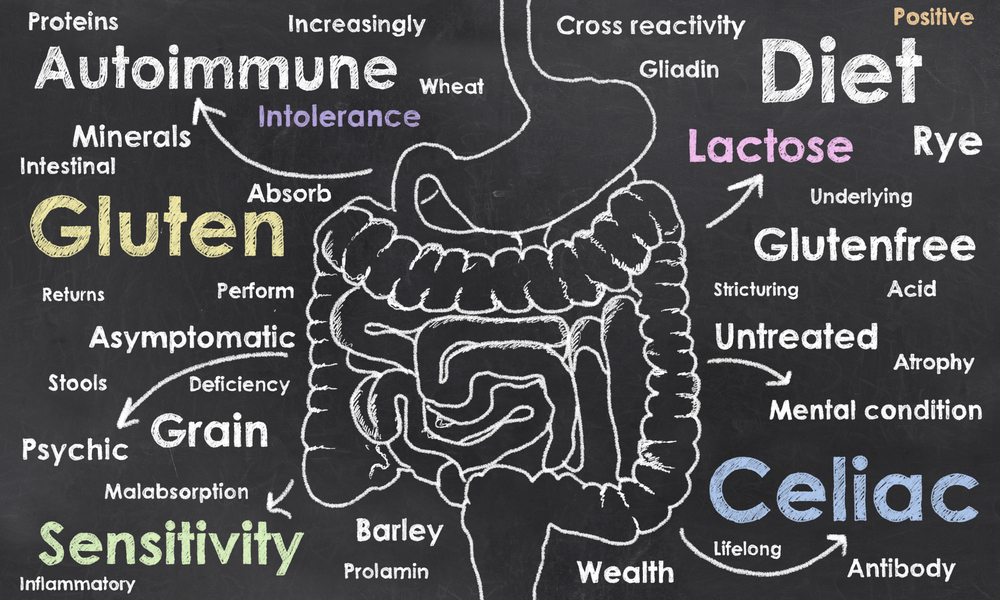
That delay is exactly what makes sensitivities so hard to pin down. When the reaction shows up two days later, connecting it to a specific meal is difficult, and people can live with vague chronic symptoms for years without realizing food is involved. A structured elimination and reintroduction of suspected foods is the most reliable way to identify them. It is worth noting that popular IgG blood tests marketed for food sensitivities are debated: many clinicians use them as a starting point, while major allergy organizations caution that a positive IgG result may reflect exposure rather than a harmful reaction. A careful elimination trial remains the practical reference point. My article on non-celiac gluten sensitivity is a good example of how a real, non-allergic food reaction can be identified and taken seriously.
Food intolerance: a digestive problem, not an immune one
A food intolerance is different from both of the above because it does not involve the immune system at all. It is a problem of digestion, usually a missing or insufficient enzyme, or difficulty processing a particular compound. The classic example is lactose intolerance, where the body does not make enough lactase to break down the sugar in dairy, leading to gas, bloating, and diarrhea. Other examples include reactions to histamine or to fermentable carbohydrates known as FODMAPs.
The hallmark of an intolerance is that it is dose-dependent. A small amount of the food may cause no trouble, while a large amount causes symptoms. That is very different from an allergy, where even a trace can be dangerous. An intolerance is uncomfortable and worth managing, but it is not an immune threat, and the response is usually about portion size, enzyme support, or targeted avoidance rather than strict elimination.
Watch: when it is neither allergy nor sensitivity
This video walks through the different types of food reactions, including the ones that do not fit the usual allergy-or-sensitivity framing.
Why the distinction matters
Sorting these three apart is not pedantry, because the right action for each is different. A food allergy calls for strict avoidance and an emergency plan. A food sensitivity calls for a structured elimination to identify the trigger, and often for addressing why the gut and immune system became reactive in the first place, which is where issues like intestinal permeability come in. My article on leaky gut covers that underlying mechanism. A food intolerance calls for managing dose and supporting digestion. Treat a sensitivity like an allergy and you may over-restrict your diet for no reason; treat an allergy like an intolerance and the consequences can be serious.
How The Autoimmune Answer helps
The Autoimmune Answer dedicates a chapter (chapter 8) to distinguishing food allergy, food sensitivity, and food intolerance, and to helping a reader work out which one they are actually living with. Because the three are so often confused, that clarity is the first step toward the right response rather than a scattershot approach to eliminating foods.
Where to start
- Identify the pattern. Note how fast symptoms appear, how severe they are, and whether the amount you ate mattered. Speed and severity point toward allergy; delay points toward sensitivity; dose-dependence points toward intolerance.
- Get true allergies evaluated. If you have had fast, severe reactions, see a qualified clinician for proper allergy testing and a plan. Do not rely on self-diagnosis for a potential allergy.
- Read the chapter. Get The Autoimmune Answer on Amazon or Audible for a fuller framework on telling the three apart.
The bottom line
Food allergy, food sensitivity, and food intolerance are not three words for the same thing. They are three different mechanisms with three different levels of risk and three different solutions. Knowing which one you are dealing with is what turns guesswork into a plan. The Autoimmune Answer devotes a chapter to helping you make that distinction.
Frequently asked questions
What is the difference between food allergy, food sensitivity, and food intolerance?
A food allergy is a fast IgE-driven immune reaction that can be life-threatening. A food sensitivity is a slower, non-IgE immune or inflammatory reaction causing delayed chronic symptoms. A food intolerance is a non-immune digestive problem, often a missing enzyme, where the dose determines symptoms. The correct response to each is different.
Is a food allergy the same as a food intolerance?
No. An allergy involves the immune system and can be dangerous in tiny amounts, requiring strict avoidance. An intolerance is a digestive issue, such as lactose intolerance, that is uncomfortable but not dangerous and is often dose-dependent.
What are the symptoms of a food sensitivity versus a food allergy?
Allergies cause fast, obvious reactions such as hives, swelling, and wheezing within minutes. Sensitivities cause delayed, lower-grade symptoms hours to days later, such as bloating, brain fog, headaches, joint pain, and fatigue.
How do I figure out which type of food reaction I have?
Look at speed, severity, and whether the amount matters. True allergies are evaluated with a clinician; intolerances are often identified by their dose-dependent pattern; sensitivities are worked out through structured elimination and reintroduction. The Autoimmune Answer dedicates a chapter to this.
About the author: Dr. John Bartemus, DC, CFMP, is a functional medicine practitioner, educator, speaker, and Amazon international number one best-selling author of The Autoimmune Answer, focusing on gut health, autoimmune disease, and root-cause medicine through Functional Medicine Charlotte, PC.
This article is for educational purposes only and is not medical advice. Food allergies can be life-threatening. If you have had a severe reaction to a food, seek evaluation from a qualified clinician and do not attempt to self-diagnose or reintroduce the food on your own.