Rheumatoid Arthritis: Why the Root Causes Matter, Even When Inflammation Is Controlled
By Dr. John Bartemus, DC, CFMP, Functional Medicine Charlotte, PC. Published November 3, 2026.
For years, root-cause medicine has argued that chronic disease is rarely about one thing, and that the conditions surrounding the immune system shape how it behaves. It is notable, then, when that same idea shows up in mainstream rheumatology. A 2026 body of work from Semmelweis University, published in two of the field’s leading journals, makes a striking point about rheumatoid arthritis: the pain and fatigue can persist even when inflammation is under control, and the reasons often lie outside inflammation itself.
Short answer: Rheumatoid arthritis (RA) is an autoimmune disease, and most people respond to standard care. But research published in Nature Reviews Rheumatology and The Lancet Rheumatology found that in many people, symptoms persist even after inflammation markers improve, kept going by factors like poor sleep, depression, obesity, smoking, and chronic pain. The practical message is a root-cause one: when inflammation is controlled but the person still suffers, the next step is to find what is maintaining the symptoms, not to automatically escalate medication. This complements standard care, it does not replace it. For a deeper look at the root-cause view of autoimmunity, The Autoimmune Answer is where I would start.
What the research found
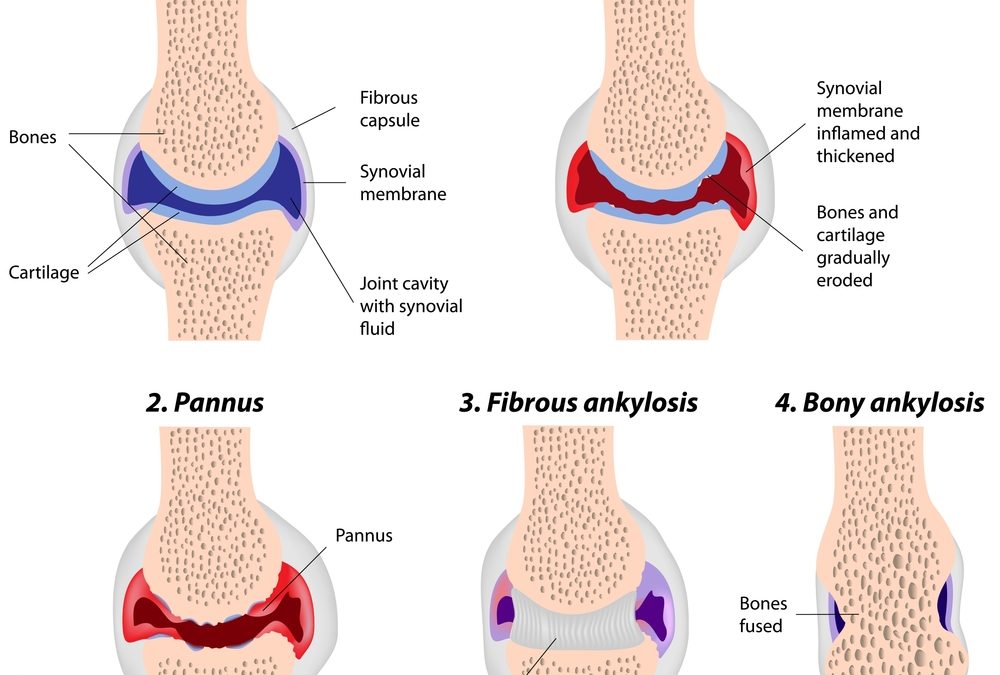
Rheumatoid arthritis is a chronic autoimmune disease in which the immune system mistakenly attacks the joints, causing pain, swelling, and stiffness. Most patients respond well to therapy. But between 6 and 28 percent fall into what rheumatologists call the “difficult-to-treat” group, meaning they do not reach lasting remission despite standard medication. The Semmelweis University team examined why, and their answer reframes the problem.
Across a systematic review and meta-analysis in The Lancet Rheumatology and an expert synthesis in Nature Reviews Rheumatology, they found that depression, smoking, obesity, sleep problems, and other health conditions are strongly connected with hard-to-manage RA. Crucially, these problems may do more than simply occur alongside the disease. They may actively help keep the symptoms going. In the researchers’ framing, the comorbidities are not just passengers. They can be drivers.
A vicious cycle of pain, mood, and sleep
The researchers describe a self-reinforcing loop. Pain and depression reduce physical activity. Lower activity contributes to weight gain. Weight gain and inactivity worsen both sleep and mood. Poor sleep and low mood then intensify pain and make daily life harder, which feeds the cycle again. Each piece makes the others worse, which is exactly why these cases are so hard to break with medication aimed at inflammation alone.
This is a familiar shape in root-cause medicine. The problem is not a single broken part. It is a system that has settled into a damaging pattern, and pulling one lever rarely resolves it. Notably, the researchers point out that something like depression may be not only a consequence of living with RA, but also a contributor to it, a two-way relationship rather than a one-way street.
When the markers improve but the person does not
Here is the part most aligned with a root-cause philosophy. Standard RA care often follows a strategy the field calls “treat-to-target,” where doctors track measurable markers of disease activity and adjust medication if inflammation is not controlled. The Semmelweis team argues this same tracking can double as an early warning system. When the inflammation targets improve but the patient still has pain and fatigue, that gap is information. It suggests the remaining symptoms may not be driven, or may not be driven only, by active inflammation.
As Dr. György Nagy, who heads rheumatology and immunology at Semmelweis University, put it, when the numbers improve but the person still suffers, it is worth stepping back and looking for what is maintaining the symptoms, whether that is chronic pain, depression, a sleep disorder, or obesity, rather than automatically prescribing more medication. That is a root-cause instinct stated in the language of conventional rheumatology.
What this means for autoimmunity in general
Rheumatoid arthritis is one autoimmune condition, but the principle generalizes. Across autoimmune disease, the immune system does not operate in a vacuum. It is shaped by the terrain around it: sleep, stress, metabolic health, body weight, exposures like smoking, and the gut. When that terrain is inflamed and dysregulated, it adds load to an immune system that is already misfiring. When the terrain improves, the load can come down.
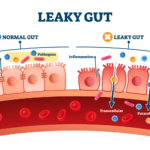
This is why the resolution of inflammation, not just its suppression, matters so much, a topic I covered in my article on the three stages of chronic inflammation. It is also why the gut is so often part of the autoimmune picture, since the gut barrier and microbiome help set the immune system’s baseline, which I discuss in my article on leaky gut. And it connects to why autoimmune disease lands unevenly across people, shaped by biology and environment together, as I explain in my article on why autoimmune disease affects women more. The common thread is that the drivers upstream of the immune attack are often where the leverage is.
An important boundary
This research is encouraging for a root-cause view, but it must be read carefully. Rheumatoid arthritis is a serious disease that can cause permanent joint destruction if the underlying autoimmune process is left unmanaged. The standard medications, including DMARDs, are a central part of care, and nothing here argues for stopping them. The comorbidity findings come largely from observational research, so they show strong associations and a plausible, often bidirectional relationship, rather than proof that fixing sleep or weight alone resolves RA. The honest reading is this: standard care controls the autoimmune inflammation, and addressing the root-cause drivers around it, alongside that care, is what can finally move the people who have been stuck. The two work together.
What this means for you
- Keep working with your rheumatologist. Standard medication remains essential in RA. A root-cause approach is added alongside it, not instead of it.
- Notice the gap. If your inflammation markers look good but you still hurt and feel exhausted, that gap is worth investigating rather than ignoring.
- Look at the whole terrain. Sleep quality, mood, body weight, smoking, and chronic pain are not side issues in autoimmunity. They can be part of what keeps it active.
- Address drivers, do not just chase symptoms. Supporting sleep, mood, metabolic health, and the gut can lower the overall load on an overactive immune system.
Read next: If this root-cause view of autoimmunity resonates, that is exactly what my book The Autoimmune Answer is built around: understanding the drivers that keep the immune system activated, and how to work on them alongside your medical care. Read The Autoimmune Answer on Amazon.
Frequently asked questions
Why does rheumatoid arthritis pain persist even when inflammation is controlled?
A 2026 body of research found that RA pain and fatigue can continue after inflammation markers improve, kept active by factors like sleep disorders, depression, obesity, smoking, and chronic pain. When inflammation is controlled but symptoms persist, it signals that something beyond inflammation may be sustaining them.
What is “difficult-to-treat” rheumatoid arthritis?
It is the field’s term for the 6 to 28 percent of people with RA who do not reach lasting remission despite standard therapy. Research suggests comorbidities and lifestyle factors are often part of what keeps the disease active in these cases.
Should I stop my RA medication and use lifestyle instead?
No. RA can cause permanent joint damage, and standard medications like DMARDs are essential. The research supports addressing root-cause drivers alongside standard care, not replacing it. Always work with your rheumatologist.
How does a root-cause approach apply to autoimmunity in general?
The immune system is shaped by its terrain: sleep, stress, metabolic health, the gut, and exposures like smoking. Addressing those upstream drivers can reduce the load on an overactive immune system, which is the core idea of root-cause care.
About the author: Dr. John Bartemus, DC, CFMP, is a functional medicine practitioner, educator, speaker, and Amazon international number one best-selling author of The Autoimmune Answer, focusing on autoimmune disease, chronic inflammation, and root-cause medicine through Functional Medicine Charlotte, PC.
This article is for educational purposes only and is not medical advice. Rheumatoid arthritis is a serious autoimmune disease that requires medical management. Do not start, stop, or change any medication without your rheumatologist or prescribing clinician.
References
- Gunkl-Tóth L, McInnes IB, Nagy G. “Bridging the gap: combining treat-to-target and difficult-to-treat strategies in the management of rheumatoid arthritis.” Nature Reviews Rheumatology, 2026;22(5):319. DOI 10.1038/s41584-026-01354-w.
- Xie W, Chen T, Chen Y, Zhang Z, Xiao S. “Associated lifestyle factors and comorbidities of difficult-to-treat rheumatoid arthritis: a systematic review and meta-analysis.” The Lancet Rheumatology, 2026;8(6):e425. DOI 10.1016/S2665-9913(26)00041-X.
- Gunkl-Tóth L, Nagy G. “Lifestyle factors in difficult-to-treat rheumatoid arthritis.” The Lancet Rheumatology, 2026;8(6):e408. DOI 10.1016/S2665-9913(26)00108-6.
- Semmelweis University, reported via ScienceDaily, September 27, 2026.