Can Vitamin D, Omega-3, and Exercise Slow Biological Aging?
By Dr. John Bartemus, DC, CFMP, Functional Medicine Charlotte, PC. Published November 3, 2026.
The idea that a few simple, inexpensive habits might slow aging sounds like marketing. But a 2025 analysis from a large clinical trial put three of the most common ones to the test, vitamin D, omega-3, and exercise, and measured aging not by how people felt but by the chemical marks on their DNA. The results are modest and worth understanding carefully, because this is one of the first randomized trials to look at the question this way.
Short answer: In a 2025 analysis of the DO-HEALTH trial, omega-3 (1 gram per day) slowed several measures of biological aging called epigenetic clocks in healthy older adults over three years. Combining omega-3 with vitamin D (2,000 IU per day) and a home exercise program added a small further benefit on one clock. The effects were small, about 3 to 4 months of slowed aging over 3 years, and the analysis was post hoc, so it generates a strong hypothesis rather than proving the case. It is a reasonable, low-risk direction, not a fountain of youth.
First, what is biological age?
Chronological age is simple: it is how many birthdays you have had. Biological age is different. It is an estimate of how worn your body actually is, and it can run older or younger than your calendar age. Two people who are both 72 can have bodies that look years apart on the inside.
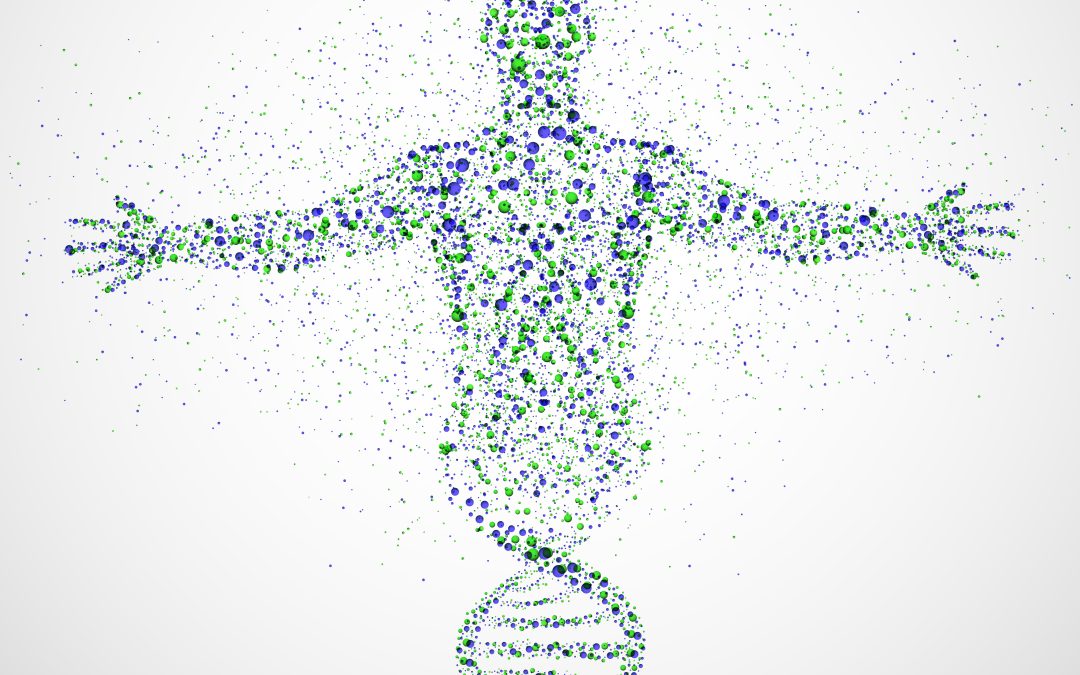
Researchers estimate biological age using epigenetic clocks. These read DNA methylation, which are small chemical tags that attach to your DNA and shift in predictable patterns as you age. By measuring thousands of these tags, a clock produces an estimate of biological age or the pace of aging. The newer clocks used in this study, called PhenoAge, GrimAge2, and DunedinPACE, are the ones most strongly linked to the risk of age-related disease and death, which is why they are used to test whether something appears to slow aging.
What the study did
The analysis came from the DO-HEALTH trial, a large European randomized controlled trial in adults aged 70 and older. This substudy, published in Nature Aging and co-authored by Steve Horvath, who developed some of the original epigenetic clocks, included 777 participants who had DNA methylation measured at the start and again three years later. Participants were randomized to vitamin D (2,000 IU per day), omega-3 (1 gram per day), and a simple home exercise program, tested individually and in combination. The researchers then asked whether any of these, alone or together, slowed the epigenetic clocks over three years.
What they found
Omega-3 was the consistent signal. On its own, it slowed three of the clocks: PhenoAge, GrimAge2, and DunedinPACE. When all three interventions were combined, there was an additive benefit on PhenoAge, meaning vitamin D and exercise added a little more on top of omega-3 for that particular clock. Vitamin D and exercise on their own showed weaker individual effects on most clocks.
The size of the effect matters for honesty. Across the clocks that responded, the standardized effects ranged from about 0.16 to 0.32 units, which the authors translated into roughly 2.9 to 3.8 months of slowed biological aging over the three years. That is a real, measurable shift, but a small one, and it was measured on surrogate markers rather than on disease or lifespan directly.
The larger DO-HEALTH results give context
This aging analysis does not stand alone. In the full DO-HEALTH trial of more than 2,100 people, the same interventions produced other benefits over three years that are worth knowing. Omega-3 alone reduced the rate of infections by 13 percent and the rate of falls by 10 percent. All three interventions combined reduced prefrailty by 39 percent and the rate of invasive cancer by 61 percent. Those are more concrete outcomes than an epigenetic clock, and they point in the same direction: a small, consistent benefit from simple, low-risk habits, strongest when they are stacked together. This fits the broader evidence on lowering risk as you age, which I cover in my article on lowering your risk of death after 50.
A functional medicine perspective
Why would these three, and omega-3 in particular, move a measure of aging at all? One likely thread is inflammation. Several of the markers underlying the GrimAge clocks respond to metabolic dysregulation and chronic, low-grade inflammation, the kind that builds quietly with age and is sometimes called inflammaging. Omega-3 fatty acids are involved in the body’s resolution of inflammation, the active shut-off process rather than simply turning it down. I covered that shut-off machinery in detail in my article on the three stages of chronic inflammation, and it offers a plausible reason these nutrients would show up on an aging clock.
The additive pattern also fits a root-cause view. No single lever did the heavy lifting. The clearest benefit came from combining a nutrient that supports inflammation resolution (omega-3), a nutrient many older adults are low in (vitamin D), and movement. Vitamin D status in particular is worth checking rather than guessing, a point I make in my article on vitamin deficiency and cognitive decline. Stacking modest, low-risk inputs is often how real-world results are built.
The honest limits
This is promising, not settled. First, it was a post hoc analysis, which tests a hypothesis rather than confirming a pre-planned one. Second, the participants were healthy, physically active adults over 70, with 88 percent already exercising regularly, so the findings may not translate to younger or less healthy people, and the room for exercise to help was limited in a group already active. Third, biological age was measured at only two time points, and epigenetic clocks are surrogate markers, estimates of aging rather than aging itself or a disease outcome. And fourth, the effects were small. None of this erases the result. It frames it: a consistent, small, biologically plausible benefit from omega-3, with an additive signal from the full combination, in a group of healthy older adults.
What this means for you
- Omega-3 is a reasonable, low-risk option. The most consistent signal here, and in the larger trial, came from 1 gram per day of omega-3. If you take blood thinners, discuss it with your clinician first, since omega-3 can affect bleeding.
- Check vitamin D rather than guessing. Many older adults are low. Testing lets you correct a real deficiency instead of supplementing blindly.
- Keep moving. Exercise added to the combined benefit, and its value across falls, frailty, and overall health is well established regardless of what an aging clock shows.
- Think in combinations, not magic single fixes. The clearest benefit came from stacking all three. Small, consistent, low-risk inputs together tend to outperform any one of them alone.
Frequently asked questions
Can vitamin D, omega-3, and exercise slow aging?
A 2025 DO-HEALTH analysis found omega-3 slowed several epigenetic aging clocks in healthy older adults over three years, with a small additive benefit from combining it with vitamin D and exercise. The effects were small (about 3 to 4 months over 3 years) and the analysis was post hoc, so it is promising rather than proof.
What is biological age and an epigenetic clock?
Biological age estimates how worn your body is, which can differ from your calendar age. Epigenetic clocks estimate it by measuring DNA methylation, chemical tags that change with age. The newer clocks (PhenoAge, GrimAge2, DunedinPACE) are linked to disease and mortality risk.
How much did omega-3 slow aging in the study?
Standardized effects were about 0.16 to 0.32 units, roughly 2.9 to 3.8 months of slowed aging over 3 years. Omega-3 alone slowed three clocks; all three interventions together had an additive benefit on PhenoAge.
Should I take omega-3 to live longer based on this study?
It supports omega-3 as a low-risk option, especially with vitamin D and activity, but it does not prove it extends lifespan. The participants were healthy, active adults over 70. Discuss supplements with your clinician, especially if you take blood thinners.
What are the limits of this study?
It was a post hoc analysis of 777 of 2,157 participants, in healthy active older adults, with only two measurement points, using surrogate markers of aging. The effects, while consistent for omega-3, were small.
About the author: Dr. John Bartemus, DC, CFMP, is a functional medicine practitioner, educator, speaker, and Amazon international number one best-selling author, focusing on cardiometabolic health, longevity, and root-cause medicine through Functional Medicine Charlotte, PC.
This article is for educational purposes only and is not medical advice. Do not start or change supplements, including omega-3 and vitamin D, without guidance from a qualified clinician, particularly if you take medications such as blood thinners.
Reference
- Bischoff-Ferrari HA, Gängler S, Wieczorek M, Belsky DW, Ryan J, Kressig RW, et al. “Individual and additive effects of vitamin D, omega-3 and exercise on DNA methylation clocks of biological aging in older adults from the DO-HEALTH trial.” Nature Aging, 2025;5:376-385. DOI 10.1038/s43587-024-00793-y.